
-
Restoring Damaged and Missing Teeth with Fixed Dental Solutions
Posted by on June 18, 2026 at 9:50 amTooth damage and tooth loss can significantly affect eating ability, speech clarity, and overall confidence in daily life. Modern dentistry focuses on restoring teeth in a way that is functional, durable, and natural in appearance. One important concept in this field is crowns and bridges in New Castle, which refers to advanced restorative dental treatments used to repair damaged teeth and replace missing ones with long-lasting fixed solutions.
Understanding Fixed Dental Restorations
Fixed dental restorations are treatments that are permanently placed in the mouth to restore the structure and function of teeth. The most common options include dental crowns and dental bridges.
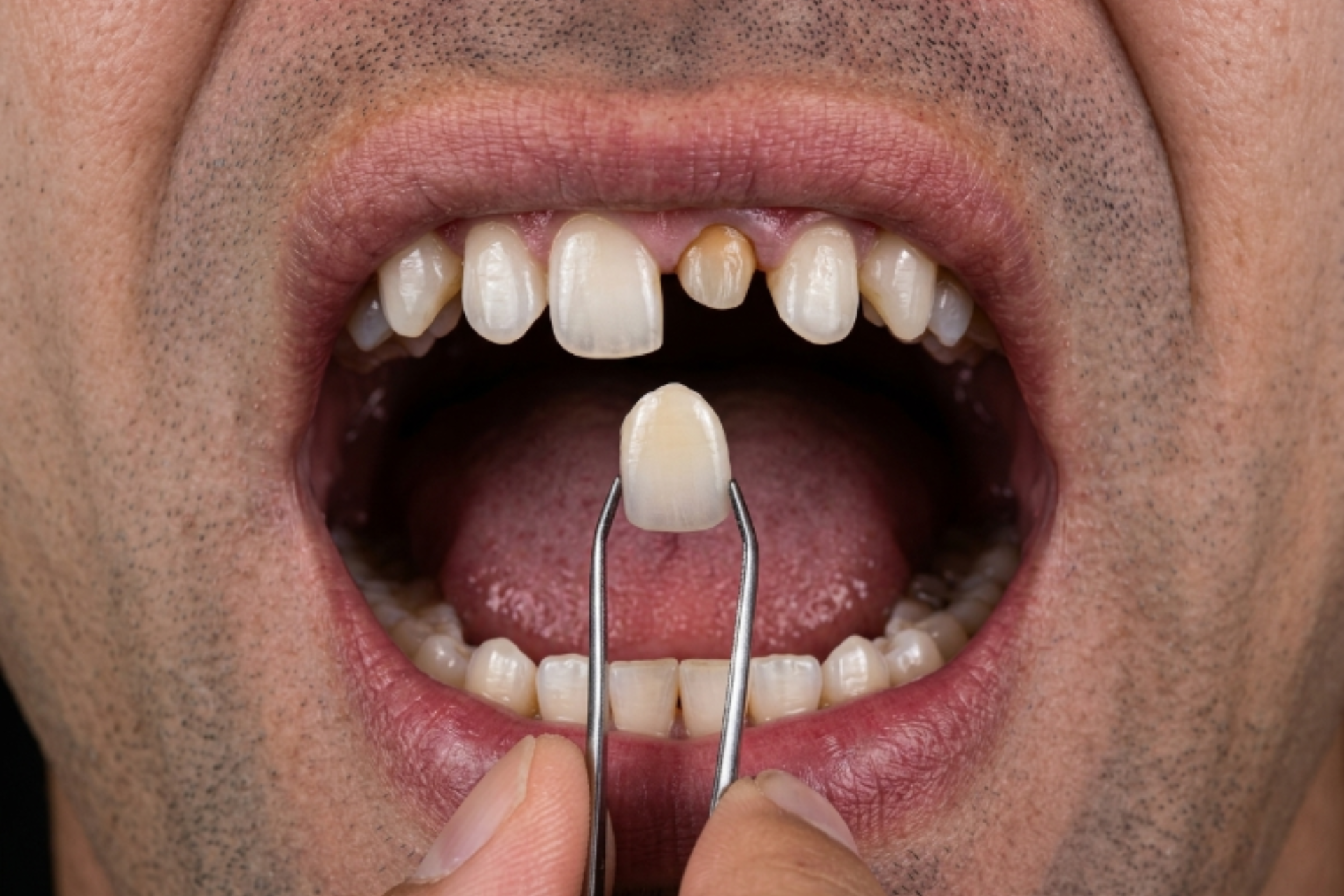
A crown is used to cover and protect a weakened or damaged tooth, restoring its shape, strength, and appearance. A bridge is used to replace one or more missing teeth by anchoring artificial teeth to the adjacent natural teeth or implants. These restorations are designed to provide stability and a natural-looking smile.
Causes of Tooth Damage and Tooth Loss
Teeth can become damaged due to decay, injury, grinding habits, or gum disease. When a tooth is severely affected, it may lose its ability to function properly, causing pain or difficulty while chewing.
Tooth loss can also create additional oral health problems such as shifting of nearby teeth, bite imbalance, and gradual bone loss in the jaw. If not treated on time, these issues can lead to more complex dental complications in the future.
Function and Importance of Dental Crowns
Dental crowns are designed to fully cover a damaged tooth and restore its original shape and function. They act as a protective layer that strengthens weak teeth and prevents further deterioration.
Crowns are commonly used after root canal treatment, for fractured teeth, or when a tooth has large fillings that compromise its structure. Each crown is custom-made to match the color and shape of surrounding teeth, ensuring a natural appearance.
Role of Dental Bridges in Tooth Replacement
Dental bridges are used when one or more teeth are missing. They fill the gap by using artificial teeth supported by crowns placed on adjacent healthy teeth or implants.
The main purpose of a bridge is to restore chewing function, maintain proper alignment of teeth, and preserve facial structure. By closing gaps, bridges help prevent nearby teeth from shifting out of position over time.
Clinical Examination and Treatment Planning
Before starting any restorative treatment, a detailed dental examination is carried out. The dentist evaluates teeth, gums, and jawbone condition using clinical checks and digital imaging.
X-rays or 3D scans are often used to determine the extent of damage and identify the most suitable treatment plan. This ensures that the final restoration is accurate, safe, and long-lasting.
Step-by-Step Treatment Procedure
The treatment begins with preparation of the affected teeth. For crowns, the damaged tooth is reshaped to allow proper fitting. For bridges, the supporting teeth on both sides of the gap are prepared.
After preparation, impressions or digital scans are taken to create a precise model. A custom restoration is then designed and fabricated in a dental laboratory.
Once ready, the crown or bridge is carefully fitted, adjusted for bite alignment, and permanently cemented into place to ensure comfort and stability.
Benefits of Crowns and Bridges
One of the main benefits of these treatments is improved chewing ability. Patients can eat comfortably without pain or restriction.
Speech clarity also improves, especially when missing teeth previously affected pronunciation. In addition, these restorations enhance smile appearance by filling gaps and restoring natural tooth structure.
Another important benefit is that they help maintain proper alignment of surrounding teeth, preventing future dental complications.
Importance of Oral Hygiene After Treatment
Maintaining good oral hygiene is essential for long-term success. Regular brushing and flossing help prevent plaque buildup and protect gums around restored teeth.
Routine dental visits are also important to monitor the condition of restorations and ensure everything remains in good health. Professional cleaning helps maintain oral hygiene and prolong the life of the treatment.
Lifestyle Factors Affecting Dental Health
Healthy lifestyle habits play an important role in the success of dental restorations. Avoiding smoking and reducing sugar intake helps maintain strong gums and overall oral health.
Patients are also advised to avoid biting hard objects or applying excessive pressure on restored teeth, as this may reduce the lifespan of crowns and bridges.
Long-Term Effectiveness of Restorative Dentistry
Fixed dental restorations are considered a reliable long-term solution when properly maintained. They restore both function and appearance, helping patients regain confidence in their smile.
With proper care and regular dental check-ups, these restorations can last for many years, providing durable and stable results.
Conclusion
Dental crowns and bridges play a key role in modern restorative dentistry by offering effective solutions for damaged and missing teeth. They restore function, improve appearance, and support long-term oral health.
With continuous advancements in dental materials and techniques, treatments such as crowns and bridges in New Castle are becoming more precise, durable, and natural-looking, helping patients achieve strong and confident smiles.
lombardiyerskydental.com
Dental Crown and Bridges | Lombardi Yersky Dental
Restore your smile with durable dental crown and bridges at Lombardi Yersky Dental. Same-day bridges and expert care for natural-looking results.
Sorry, there were no replies found.
Log in to reply.