
-
Paint Correction Cavan, Ireland | Professional Car Paint Restoration
Posted by on November 23, 2026 at 11:24 amPaint Correction: How to Restore Your Car’s Finish and Make It Shine Again
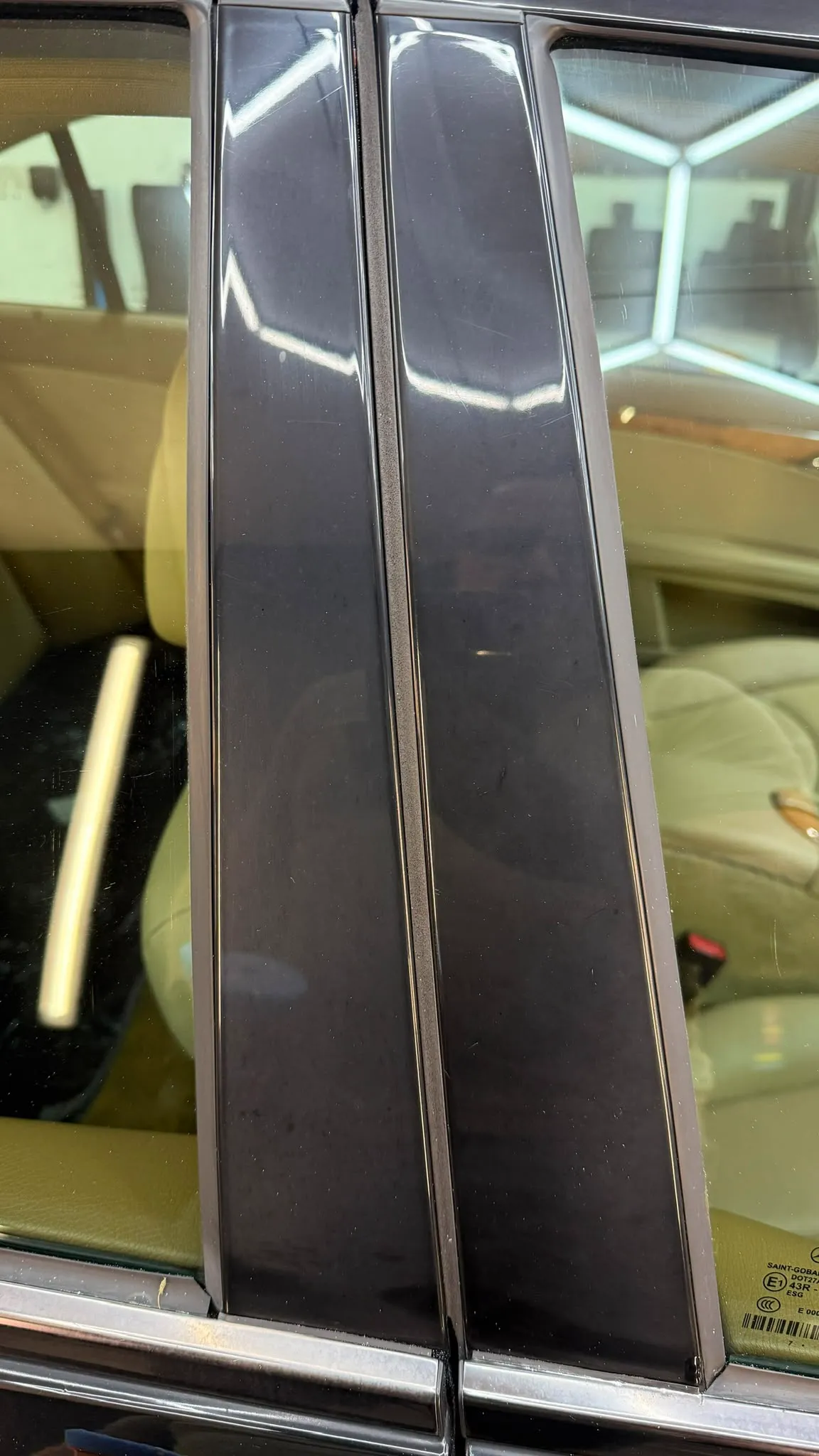
Walk out to your car on a sunny morning and look at the Car Detailing Cavan from a low angle. Do you see fine circular scratches, a hazy glow, or patches that look dull no matter how often you wash it? Washing and waxing won’t fix those flaws, because they sit in the clear coat itself. That is where paint correction comes in. Done properly, it can bring back the depth, gloss, and color you thought your car had lost for good.
This guide explains what paint correction is, what it can and can’t fix, how the process works, and how to decide between hiring a professional and doing it yourself.
What Is Paint Correction?
The process of carefully levelling the surface to eliminate imperfections from an automobile’s clear finish is known as paint repair.Instead of filling scratches with a glaze or wax, which only hides them for a few weeks, a detailer uses abrasive compounds and polishing pads to remove a very thin layer of clear coat. Once the surface is level, light reflects evenly and the finish looks sharp and mirror-like.
It is often confused with a simple polish or a wax job. The difference is permanence: wax and sealants add a layer on top, while paint correction actually changes the surface underneath.
Common Paint Defects It Can Fix
Most paint problems come from everyday life. Paint correction is effective on:
-
Swirl marks are tiny, spiderweb-like scratches that are typically brought on by unclean wash mitts or automatic car washes.
-
Light scratches: Marks that haven’t gone through the clear coat.
-
Water spots are surface-etched mineral deposits.
-
Oxidation: A chalky, faded look caused by sun exposure.
-
Bird dropping and tree sap etching: Marks left after acidic residue sat on the paint.
-
Holograms: Rainbow-like trails left by poor polishing technique.
A useful test is the fingernail check. If your nail catches in a scratch, it is likely too deep for correction alone and may need touch-up paint or a respray.
The Paint Correction Process, Step by Step1. Thorough Wash and Decontamination
The car is washed, then treated with an iron remover and a clay bar or clay mitt. This lifts bonded contaminants like brake dust and industrial fallout that would otherwise get dragged across the paint during polishing.
2. Inspection and Paint Measurement
Skilled detailers inspect the paint under strong lighting and often use a paint thickness gauge. Clear coat is only a few thousandths of an inch thick, so knowing how much material is available protects you from over-polishing.
3. Test Spot
A small area is tested first to find the least aggressive combination of pad and compound that gets the job done. This “least aggressive method first” approach preserves as much clear coat as possible.
4. Compounding and Polishing
Using a machine polisher, the detailer works in sections. A heavier compound removes deeper defects, followed by a finer polish to refine the finish and bring out maximum gloss. Some cars need only a single-step polish; heavily swirled paint may need two or three stages.
5. Panel Wipe and Protection
After polishing, the panels are wiped with an isopropyl alcohol solution to remove leftover oils and reveal the true result. The finish is then locked in with a wax, paint sealant, or ceramic coating.
Protect your vehicle’s paintwork with professional ceramic coating services that provide long-lasting shine, water-repellent protection, and enhanced resistance to dirt, UV rays, and environmental contaminants.
Paint Correction vs. Ceramic Coating
These two services are often sold together, but they do different jobs. Paint correction repairs the surface, while a ceramic coating protects it. Applying a coating over flawed paint simply locks the imperfections in, which is why correction almost always comes first.
DIY or Professional?
A dual-action polisher is forgiving enough for patient beginners, and many enthusiasts learn on an old panel or a less valuable car. However, rotary machines and aggressive compounds can burn through clear coat quickly, especially on edges and body lines.
Choose a professional if your car is new, expensive, or has soft paint, or if you want results in a single day without the learning curve. When comparing detailers, ask about their process, whether they measure paint thickness, and ask to see before-and-after photos of their own work. Prices vary widely depending on vehicle size and paint condition, so get a clear quote that spells out the number of correction stages.
How to Keep the Results Lasting
Corrected paint stays beautiful only if you stop reintroducing damage. Use the two-bucket wash method, soft microfiber towels, and a pH-neutral shampoo. Avoid brush-style automatic washes, dry off gently, and reapply your sealant or wax on schedule. Parking in shade or a garage slows oxidation considerably.
Conclusion
Paint correction is the difference between a car that is merely clean and one that looks genuinely new. By leveling the clear coat rather than covering flaws, it removes swirl marks, light scratches, and dullness at the source. Whether you hire a skilled detailer or learn the craft yourself, success comes down to careful preparation, a conservative approach, and good protection afterward. Treat your paint well after the work is done, and the results will turn heads for years.
Enhance your car’s appearance with professional detailing treatments that restore paint clarity, improve surface gloss, and help maintain a smooth, showroom-quality finish.
maneksignature.com
Car Paint Correction Ireland | Up to 95% Swirl Removal
Manek Signature's car paint correction removes swirls and scratches by hand, up to 95% improvement, with pickup across Ireland. Book your free inspection today.
-
Sorry, there were no replies found.
Log in to reply.