
-
Anti-Climb Security Fencing vs Boundary Fencing in Christchurch- Which Is Better
Posted by on June 26, 2026 at 9:11 amI have been looking into the different types of fencing for a commercial property that I have been working on lately, and one question that I keep getting is whether one should get an anti-climb security fence or just put up boundary fences. It all depends on what one needs from their fencing.
After doing my comparisons, I have realized that each one of these fences has its own strengths.
Understanding Anti-Climb Security Fencing
Anti-climb fences have been designed to deter any form of unauthorized intrusion. Unlike ordinary fences, they are fitted with tight-mesh panels, which make the task of climbing very hard. Such fences are typically erected in places like commercial buildings, utilities, industrial buildings, warehouses, schools, and any other place where security is a concern.
Property owners looking for anti-climb security fencing Christchurch solutions often choose this style because it provides a strong physical barrier without obstructing visibility. The open mesh design allows security personnel and surveillance systems to monitor the area while still restricting access.
What Is Boundary Fencing?
Boundary fencing serves a different purpose. Rather than focusing solely on security, it clearly defines property lines while improving privacy and enhancing the overall appearance of a site.
Depending on the property, boundary fencing may be constructed using steel, aluminium, timber, mesh, or other durable materials. It is commonly used around residential developments, commercial buildings, schools, parks, offices, and industrial properties.
Many businesses invest in boundary fencing Christchurch installations to establish clear property boundaries, improve safety, and create a professional appearance.
Comparing Security
When security is the highest priority, anti-climb fencing is generally the better option.
Its specialised design discourages climbing and makes unauthorised entry much more difficult. Many systems can also be combined with controlled access gates, CCTV cameras, security lighting, and other protective measures to create a comprehensive security solution.
Boundary fencing offers a level of protection as well, but its primary purpose is defining property limits rather than preventing intrusion.
Appearance and Design
Boundary fencing offers greater flexibility when appearance is important.
It is available in a wide variety of styles, colours, and finishes that can complement modern commercial buildings and surrounding landscapes. Businesses often select boundary fencing that matches their branding or architectural design.
Anti-climb fencing, on the other hand, places functionality ahead of aesthetics. Although modern security fencing has become more visually appealing, its design remains focused on strength and protection.
Maintenance Requirements
Both fencing options are designed to provide years of reliable performance with relatively little maintenance.
High-quality steel fencing systems are typically coated to resist corrosion and weathering, making them suitable for Christchurch’s changing climate.
Routine inspections and occasional cleaning are generally sufficient to keep either fencing solution performing well over time.
Installation Considerations
Before selecting a fencing system, it is important to consider the purpose of the property.
Questions worth asking include:
-
Is preventing unauthorized access the main goal?
-
Is privacy more important than security?
-
Will the fencing surround an industrial or commercial site?
-
Does the property require controlled access points?
-
Is long-term durability a priority?
Answering these questions helps determine which fencing solution is most appropriate.
Professional installation also ensures the fencing is correctly aligned, securely fixed, and built to meet site requirements.
Which Option Offers Better Long-Term Value?
The answer depends entirely on the property’s needs.
For facilities where protecting assets, equipment, or sensitive areas is essential, anti-climb fencing often delivers greater long-term value through enhanced security and reduced risk.
For businesses that primarily need to define boundaries while maintaining an attractive appearance, boundary fencing may be the more practical solution.
Some commercial properties even combine both systems by installing anti-climb fencing around high-security zones while using boundary fencing around public-facing areas.
Final Thoughts
There is no universal answer when comparing anti-climb security fencing with boundary fencing. Each serves a different purpose, and the right choice depends on your property’s security requirements, appearance, and long-term objectives.
If your priority is preventing unauthorised access and improving site security, anti-climb fencing is often the preferred solution. If your goal is defining property boundaries while creating a neat and professional appearance, boundary fencing may be the better fit.
Fencing Industries offers reliable fencing solutions for commercial, industrial, and high-security properties throughout Christchurch. Their experienced team works closely with clients to recommend fencing systems that match each site’s unique requirements, delivering durable installations designed for long-term performance and peace of mind.
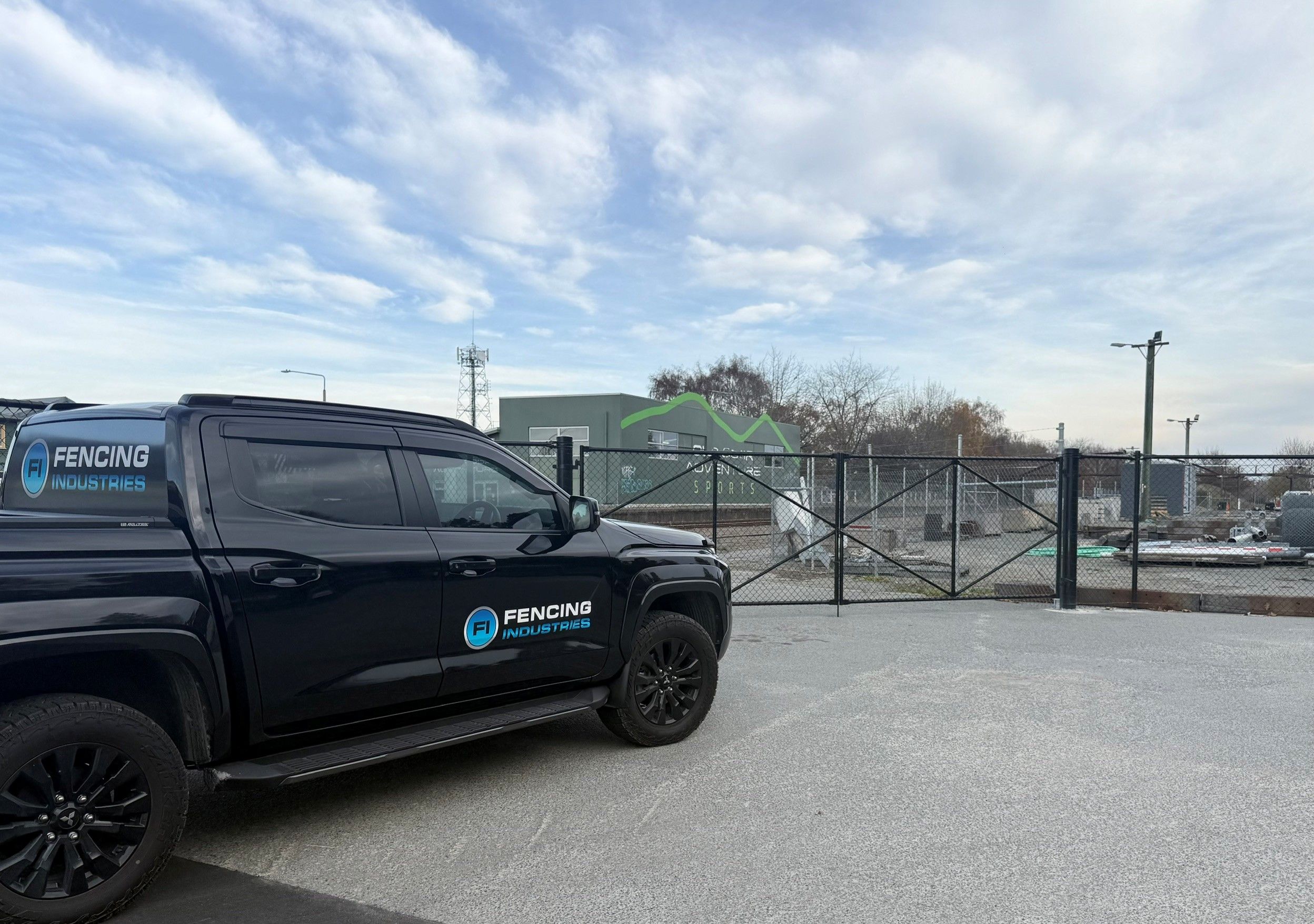
fencingindustries.co.nz
Chain Link & Security Fencing Solutions | Fencing Industries
Durable chain link and security fencing built for strength, safety, and long-lasting protection across properties.
-
Sorry, there were no replies found.
Log in to reply.