
-
How End to End Testing Ensures a Smooth and Trustworthy User Experience
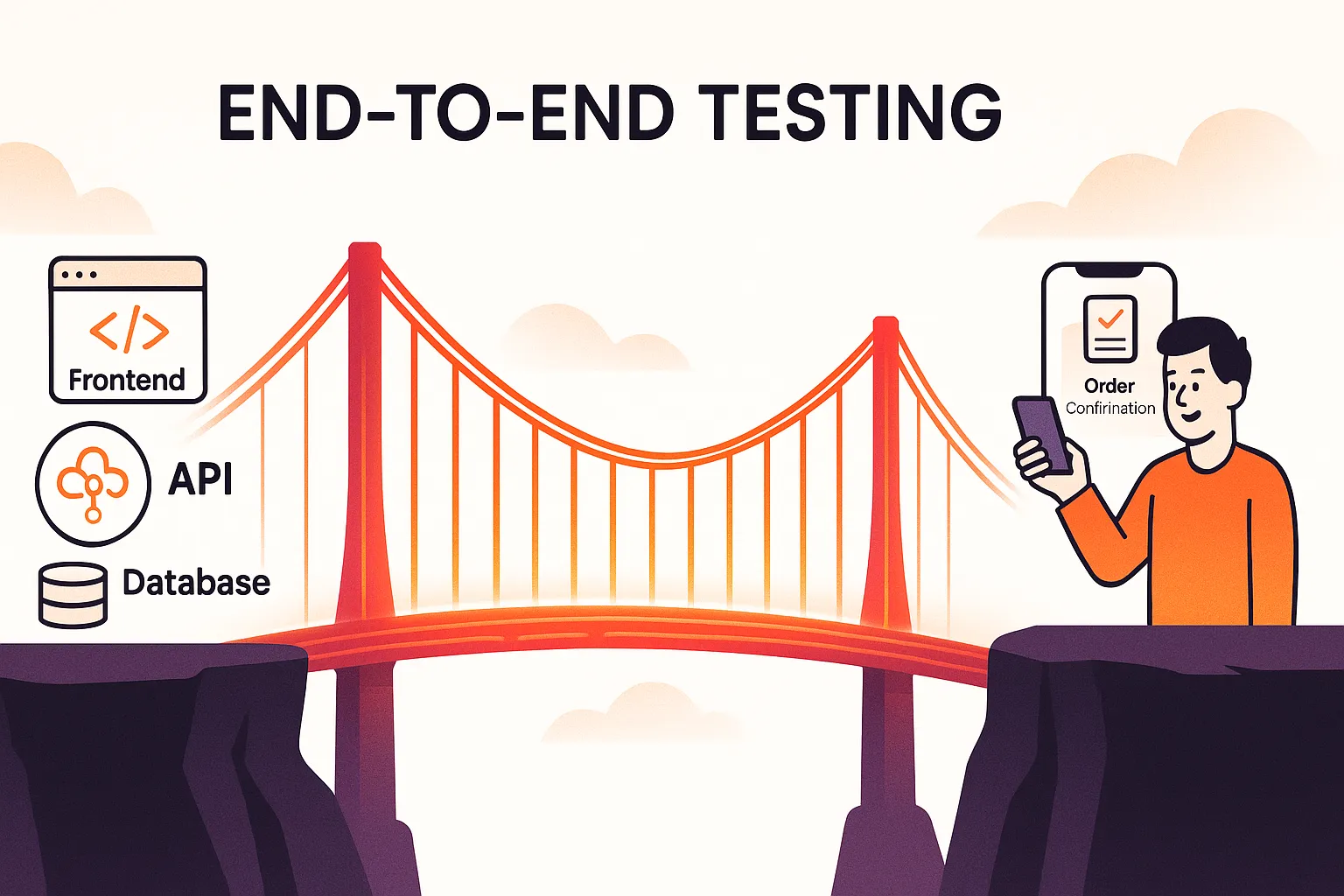
Posted by on December 2, 2025 at 12:14 pmEnd to end testing provides developers with a complete view of how an application behaves during real usage. Instead of examining internal logic, this form of testing interacts with the system in the same way a user would. It checks user actions such as clicking, navigating, submitting forms, and retrieving data. The goal is to verify that the entire workflow succeeds from the beginning to the end without interruptions. This ensures the application delivers a consistent and dependable experience.
A significant strength of end to end testing is its ability to uncover issues that appear only under real world conditions. A workflow may pass every unit and integration test, yet fail when the user interface, backend logic, and database interact simultaneously. Problems like inconsistent states, misformatted responses, slow network conditions, or browser specific behavior often surface only when the complete journey is tested. End to end tests provide visibility into these situations and help maintain a frictionless user experience.
End to end testing is especially valuable for applications where user satisfaction is closely tied to smooth interaction. Even a small disruption in the navigation or form submission process can damage the overall experience. By examining the application holistically, developers can confirm that users will not face unexpected obstacles while using the system. Combined with other testing practices, end to end testing forms the final protective layer that ensures quality, reliability, and user confidence.
keploy.io
End-to-End Testing: Complete Guide for QA
Explore end-to-end testing, a software testing approach that validates an application’s complete workflow from start to finish using real-world user scenarios.
Sorry, there were no replies found.
Log in to reply.